How Book Formatting Improves Reader Experience
Professional book formatting enhances readability, improves visual appeal, and ensures a seamless reading experience across print and digital platforms. Learn why formatting is essential for every published book.
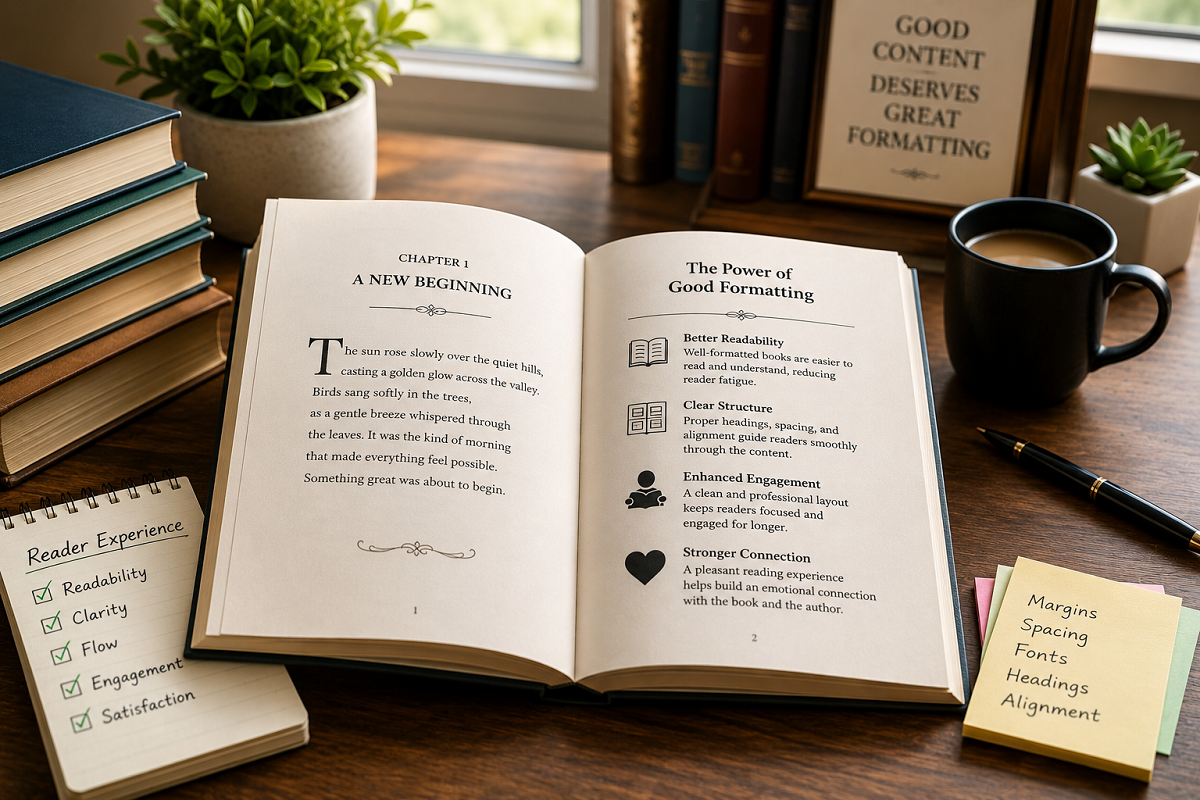
Publishing a book involves much more than writing a compelling manuscript. Once the content is complete and professionally edited, the next critical step is formatting. Book formatting is the process of organizing your manuscript into a visually appealing and reader-friendly layout that meets publishing standards. While many authors focus heavily on writing and editing, formatting often receives less attention despite being one of the most important elements of a successful book.
A well-formatted book creates a positive first impression, encourages readers to continue reading, and reflects the professionalism of the author. Whether your book is published as a paperback, hardcover, or eBook, proper formatting ensures that readers can comfortably navigate the content without distractions. On the other hand, poor formatting can make even the most interesting story difficult to read, leading to frustration and negative reviews.
In today's competitive publishing industry, readers expect books to meet professional design standards. Investing in quality book formatting enhances the reading experience, strengthens your author brand, and increases the chances of positive feedback and repeat readers.
What Is Book Formatting?
Book formatting is the process of arranging the text, images, headings, spacing, margins, fonts, and page elements into a professional layout that is easy to read. It ensures that every page follows a consistent design while meeting the technical requirements of print-on-demand services and digital publishing platforms.
Formatting is different from editing. Editing improves the content, grammar, and structure of the manuscript, while formatting focuses on how the content appears on the page. A properly formatted book allows readers to enjoy the story or information without being distracted by inconsistent layouts, uneven spacing, or confusing page designs.
Whether you are publishing through Amazon Kindle Direct Publishing, IngramSpark, or another platform, professional formatting is essential for delivering a polished final product.
First Impressions Matter
Readers often judge the quality of a book within the first few pages. Before they become engaged with the story or information, they notice the appearance of the pages. Clean typography, balanced spacing, attractive chapter headings, and organized layouts immediately communicate professionalism.
A poorly formatted book with inconsistent fonts, crowded text, or irregular margins creates the impression that the book was rushed or produced without attention to detail. Even if the writing is excellent, readers may lose confidence before reaching the first chapter.
Professional formatting helps establish trust and encourages readers to continue reading.
Improved Readability
One of the greatest benefits of book formatting is improved readability. Readers should never struggle to follow the text because of design issues. Proper font selection, appropriate font size, comfortable line spacing, and well-balanced margins make reading effortless.
Long paragraphs can appear overwhelming, while inconsistent spacing disrupts the reading flow. Professional formatting breaks content into visually manageable sections, making it easier for readers to stay engaged for longer periods.
For nonfiction books, readable formatting also improves comprehension by presenting information in a logical and organized manner.
Better Navigation Throughout the Book
Formatting improves navigation by creating a clear structure for chapters, headings, page numbers, and front and back matter. Readers can quickly locate specific sections without confusion.
Print books benefit from consistent chapter openings, page numbering, running headers, and properly designed tables of contents. Digital books require clickable navigation that allows readers to move seamlessly between chapters.
Well-organized navigation improves the overall reading experience and makes the book more enjoyable to use.
Professional Typography Makes a Difference
Typography plays an important role in book design. Choosing the right font affects readability, mood, and overall presentation. Professional formatters carefully select fonts that complement the genre while remaining easy to read.
Fiction books often use classic serif fonts because they provide a traditional reading experience. Business books, educational guides, and modern publications may use clean sans-serif fonts for a contemporary appearance.
Proper typography also includes consistent heading styles, paragraph indentation, line spacing, and character spacing that contribute to a polished interior design.
Consistency Creates a Better Reading Experience
Consistency is one of the defining characteristics of a professionally formatted book. Every chapter should follow the same design principles, including heading styles, font sizes, spacing, page breaks, and alignment.
Inconsistent formatting distracts readers and interrupts the natural flow of the book. Professional formatting ensures that every page looks intentional and cohesive, allowing readers to focus entirely on the content.
Consistency also strengthens the visual identity of the book and reflects high publishing standards.
Formatting Enhances Print Books
Print books require careful attention to physical layout. Factors such as trim size, margins, bleed settings, gutter spacing, page numbering, and image placement directly affect the final printed product.
Professional formatting ensures that text does not disappear into the binding, illustrations appear sharp, and pages align correctly during printing. These details contribute to a comfortable reading experience while giving the finished book a premium appearance.
Books with professional interior layouts often receive higher praise from readers who appreciate quality craftsmanship.
Optimizing eBooks for Digital Devices
Digital publishing introduces additional formatting challenges because readers access books on smartphones, tablets, eReaders, and desktop computers with different screen sizes.
Professional eBook formatting creates responsive layouts that automatically adapt to various devices while maintaining readability. Chapters, images, hyperlinks, and tables of contents function correctly regardless of screen size.
Proper formatting prevents text overlap, broken paragraphs, missing images, and navigation errors that can negatively affect reader satisfaction.
Supporting Visual Content
Books containing photographs, illustrations, charts, graphs, or diagrams require specialized formatting to ensure visual elements integrate naturally with the text.
Professional formatters position images carefully, maintain consistent sizing, and optimize resolution for both print and digital editions. Captions, labels, and surrounding text remain properly aligned to avoid confusing the reader.
For children's books, cookbooks, educational materials, and technical guides, high-quality formatting significantly improves usability and visual appeal.
Strengthening Author Credibility
Readers often associate the appearance of a book with the expertise of its author. A professionally formatted book communicates attention to detail, commitment to quality, and respect for the reader.
Poor formatting can reduce credibility even when the content is valuable. In contrast, a polished layout enhances the reader's confidence and reinforces the author's professional image.
Authors who consistently publish professionally formatted books are more likely to build loyal audiences and receive positive recommendations.
Reducing Reader Fatigue
Reading should be an enjoyable experience, not a tiring one. Crowded pages, small fonts, poor spacing, and inconsistent layouts increase eye strain and make it difficult for readers to stay focused.
Professional formatting uses balanced white space, appropriate paragraph lengths, and comfortable typography to reduce visual fatigue. Readers can spend more time immersed in the content without feeling overwhelmed.
This is especially important for longer books where maintaining reader engagement is essential.
Meeting Publishing Platform Requirements
Publishing platforms such as Amazon Kindle Direct Publishing, Apple Books, Kobo, Barnes & Noble Press, and IngramSpark have specific formatting guidelines for manuscript submission.
Professional formatting ensures that your book meets these technical requirements, reducing the risk of upload errors, printing problems, or publishing delays.
Proper formatting also helps maintain consistent quality across multiple publishing platforms, allowing authors to distribute their books confidently.
Why Professional Book Formatting Is Worth the Investment
Some authors attempt to format their books using basic word processing software. While this approach may work for simple documents, professionally published books require advanced layout techniques that go beyond standard text formatting.
Professional book formatters understand industry standards, typography, page composition, print specifications, and digital publishing requirements. Their expertise helps create books that look polished, function correctly across devices, and provide readers with an exceptional experience.
The investment in professional formatting often pays for itself through better reader reviews, stronger credibility, and increased sales potential.
Conclusion
Book formatting is much more than arranging text on a page. It is an essential part of the publishing process that directly influences how readers experience your work. Professional formatting improves readability, enhances navigation, strengthens visual appeal, and creates a polished presentation that reflects the quality of your writing.
Whether you are publishing a novel, business book, memoir, educational guide, or children's book, investing in professional book formatting ensures that your readers enjoy a seamless and engaging experience from the first page to the last. Combined with strong writing and professional editing, excellent formatting transforms a manuscript into a publication that readers appreciate, recommend, and remember.