How Can I Get My Book Published in India? A Complete Step-by-Step Guide
Learn how to get your book published in India with this complete step-by-step guide. Discover traditional publishing, self-publishing, costs, ISBN, editing, marketing, and expert tips for first-time authors.
Publishing a book is a dream shared by thousands of aspiring writers across India. Whether you have written a novel, poetry collection, autobiography, educational book, children's story, business guide, or research publication, seeing your work published is a rewarding milestone. However, many first-time authors are unsure about the publishing process and often wonder where to begin.
The good news is that publishing a book in India has become much more accessible than it was a decade ago. Authors now have the flexibility to choose between traditional publishing, self-publishing, and hybrid publishing, depending on their goals, budget, and creative preferences. Understanding each stage of the publishing journey can help you make informed decisions and improve your chances of success.
Complete Your Manuscript Before Approaching Publishers
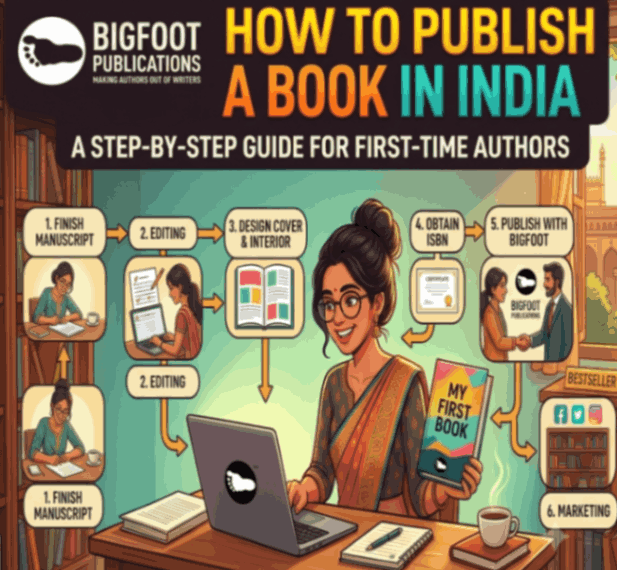
The first and most important step is to complete your manuscript. Publishers expect authors to submit a polished and well-structured manuscript that is ready for evaluation. Before sharing your work with a publishing house, spend time reviewing every chapter carefully. Ensure that your ideas flow naturally, your writing is clear, and the content is free from unnecessary repetition. Correct grammar, spelling, and punctuation errors, and make sure your formatting remains consistent throughout the document. A professionally prepared manuscript creates a positive first impression and demonstrates your commitment as an author.
Invest in Professional Editing and Proofreading
Even the most experienced writers rely on professional editors before publishing their books. Editing is much more than correcting grammatical mistakes. It improves the overall quality of the manuscript by enhancing clarity, strengthening sentence structure, improving readability, and ensuring consistency throughout the book.
Developmental editing focuses on the overall structure and organization of the manuscript, while copy editing refines the language and corrects grammar, punctuation, and spelling. The final proofreading stage identifies any remaining typographical or formatting errors before the book goes to print. Investing in professional editing significantly increases the quality of your book and helps create a better reading experience.
Choose the Right Publishing Method
One of the biggest decisions every author must make is selecting the right publishing model. In India, writers generally choose between traditional publishing, self-publishing, and hybrid publishing.
Traditional publishing involves submitting your manuscript to an established publishing house. If your manuscript is accepted, the publisher manages editing, cover design, printing, distribution, and often marketing as well. Although this option offers credibility and professional support, the selection process is highly competitive and may take several months.
Self-publishing gives authors complete ownership and creative control over their books. You decide how your book looks, when it is published, and where it is sold. This publishing method has become increasingly popular because it allows authors to earn higher royalties and publish much faster than traditional publishing.
Hybrid publishing combines the advantages of both models. Authors typically pay for publishing services while receiving professional assistance with editing, book design, formatting, printing, and distribution. This option is suitable for writers who want expert guidance without waiting for acceptance from traditional publishers.
Format Your Manuscript Professionally
Proper formatting plays a significant role in creating a professional-looking book. Publishers prefer manuscripts that follow standard formatting guidelines because they are easier to review and convert into print-ready files. Using a readable font, maintaining consistent spacing, organizing chapters correctly, and applying uniform page layouts all contribute to a polished presentation. Professional formatting also reduces production errors during the publishing process.
Design an Attractive Book Cover
Your book cover serves as the first impression readers have of your work. A professionally designed cover immediately communicates the genre, quality, and personality of your book. Since many readers make purchasing decisions based on appearance, investing in an attractive cover design is essential. An effective cover combines appealing visuals, readable typography, balanced colors, and a compelling layout that attracts attention both online and in bookstores.
Obtain an ISBN for Your Book
An ISBN, or International Standard Book Number, is a unique identifier assigned to published books. Having an ISBN improves the credibility of your publication and makes it easier for bookstores, libraries, distributors, and online retailers to identify and catalogue your book. Most professional publishers include ISBN registration as part of their publishing services, ensuring that your book is recognized within the global publishing industry.
Prepare Your Book for Print and Digital Publishing
Modern readers consume books in multiple formats, making it beneficial to publish both print and digital editions. Paperback books remain the most popular choice for general readers, while hardcover editions are often preferred for premium publications and educational works. eBooks have gained tremendous popularity because they are accessible on smartphones, tablets, and e-readers. Preparing your book for multiple formats allows you to reach a broader audience and increase potential sales.
Print Your Book
Once your manuscript has been edited, formatted, and designed, the next step is printing. Many authors today choose print-on-demand services because books are printed only after customers place an order. This approach eliminates the need for maintaining inventory and significantly reduces financial risk.
Authors expecting higher sales volumes may prefer offset printing, which offers lower printing costs per copy when producing large quantities. The right printing method depends on your publishing goals, target audience, and budget.
Distribute Your Book Across Multiple Platforms
Publishing your book is only the beginning. Readers must be able to find and purchase it easily. Professional distribution ensures that your book becomes available through major online bookstores, physical bookshops, educational institutions, libraries, and international marketplaces. Wide distribution increases visibility, improves accessibility, and creates more opportunities for sales.
Promote Your Book Effectively
Book marketing is one of the most important aspects of becoming a successful author. Even an outstanding book may struggle to reach readers without proper promotion. Building your author brand through social media, maintaining a professional website, writing informative blogs, participating in interviews, and engaging with readers can significantly improve your book's visibility.
Search engine optimization (SEO) also plays an important role in modern book marketing. Optimizing your website and book pages with relevant keywords helps your content rank higher in search results, attracting readers who are actively searching for books in your genre. Email marketing, book launch events, and reader reviews further strengthen your promotional efforts and contribute to long-term success.
How Much Does It Cost to Publish a Book in India?
The cost of publishing a book depends on the services you require. Professional editing, cover design, formatting, printing, marketing, and distribution all influence the overall investment. Self-publishing packages in India are available at different price points, allowing authors to choose solutions that match their budget while maintaining professional publishing standards.
How Long Does It Take to Publish a Book?
Publishing timelines vary depending on the publishing model and the complexity of the project. In most cases, the complete process—from editing and design to printing and distribution—takes between four and twelve weeks. Authors who choose self-publishing often experience shorter publishing timelines compared to those pursuing traditional publishing.
Common Mistakes First-Time Authors Should Avoid
Many first-time authors rush into publishing without investing sufficient time in editing, proofreading, or professional cover design. Others underestimate the importance of marketing after publication. Choosing the wrong publishing partner or neglecting reader feedback can also affect a book's long-term success. Taking a thoughtful and professional approach throughout the publishing process greatly improves your chances of achieving positive results.
Final Thoughts
Getting your book published in India is no longer as challenging as it once was. With multiple publishing options available and growing access to professional publishing services, aspiring authors have more opportunities than ever before. The key to success lies in preparing a high-quality manuscript, choosing the right publishing model, investing in professional editing and design, and promoting your book consistently after publication.
Publishing your first book is not just about printing pages—it is about sharing your ideas, experiences, and stories with readers around the world. With careful planning and the right publishing strategy, your manuscript can become a professionally published book that leaves a lasting impact on its audience.