How to Market Your Book Before Launch Successfully
A successful book launch starts long before publication day. Discover effective pre-launch book marketing strategies to build anticipation, grow your audience, and increase first-day book sales.
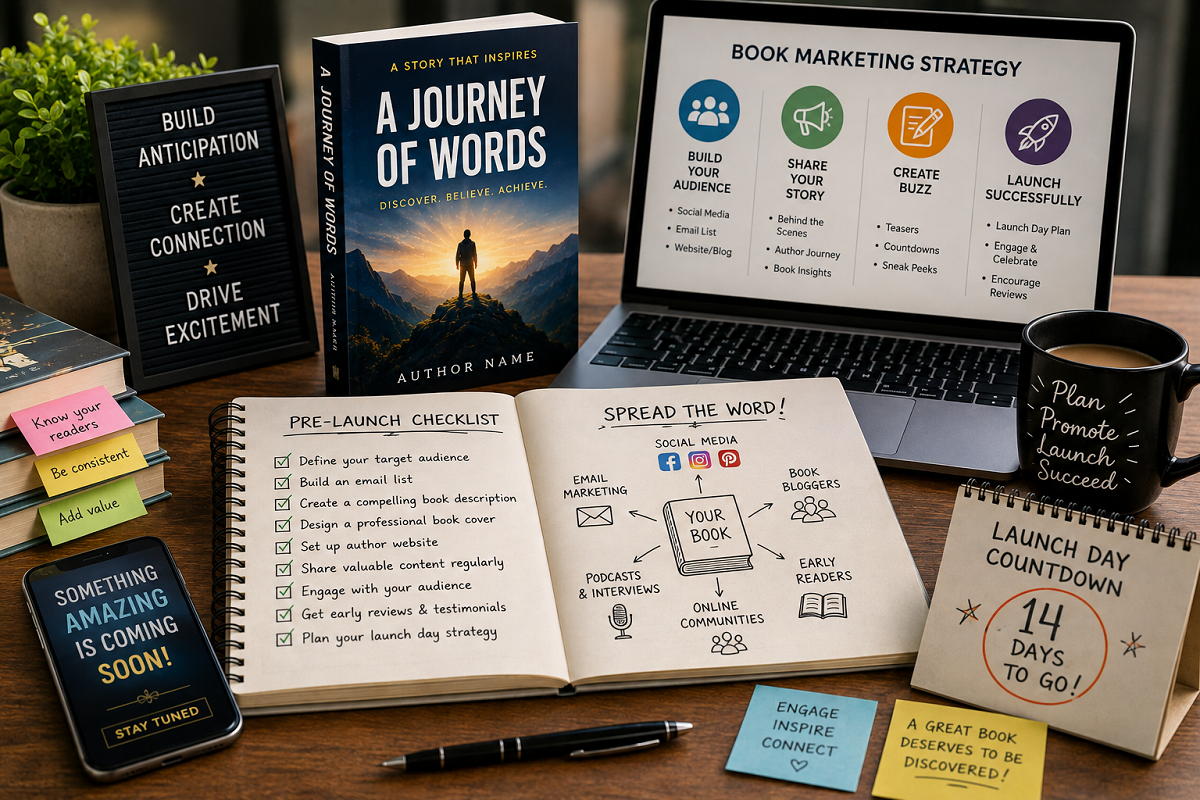
Publishing a book is a remarkable achievement, but writing a great manuscript alone does not guarantee success. Many books fail to reach their full potential simply because readers never discover them. Effective marketing begins long before your book is officially published. In fact, some of the most successful authors spend months building excitement, growing their audience, and creating anticipation before launch day.
Pre-launch marketing gives your book momentum. It helps you attract potential readers, generate early reviews, increase pre-orders, and create awareness that continues after publication. Whether you are self-publishing your first book or launching your tenth title, investing time in a strategic marketing plan can significantly improve your book's visibility and sales.
This guide explains how to market your book before launch using practical strategies that help authors build a loyal audience and create a successful release.
Why Pre-Launch Book Marketing Matters
Many authors begin marketing only after their book is available for purchase. Unfortunately, waiting until launch day means missing valuable opportunities to generate excitement and build an audience.
Pre-launch marketing creates awareness before readers can buy your book. By the time your publication date arrives, interested readers already know who you are, what your book offers, and why they should purchase it.
A strong pre-launch campaign can increase pre-orders, improve launch-day rankings, attract media attention, and encourage readers to share your book with others. Early momentum also helps online bookstores recognize your book as a popular title, which may improve its visibility in search results and recommendation algorithms.
Define Your Target Audience
Every successful marketing campaign begins with understanding the people you want to reach. Your target audience influences your messaging, promotional channels, and overall marketing strategy.
Consider the age, interests, profession, reading habits, and challenges of your ideal readers. A business leadership book requires a different marketing approach than a children's coloring book or a mystery novel.
Understanding your audience allows you to create content that speaks directly to their interests and encourages meaningful engagement.
Build Your Author Brand
Readers often connect with authors before they purchase their books. Developing a professional author brand helps establish trust and creates a recognizable identity across multiple platforms.
Your brand includes your author website, logo, professional photograph, biography, writing style, and online presence. Consistency across your website, social media profiles, newsletters, and promotional materials makes your brand more memorable.
An established author brand also makes it easier to promote future books and maintain long-term relationships with readers.
Create an Author Website
An author website serves as the central hub for all your marketing activities. It gives readers a place to learn about you, explore your books, subscribe to updates, and contact you.
Your website should include an engaging author biography, book information, blog, newsletter signup form, media kit, testimonials, and links to your social media profiles. As your launch date approaches, create a dedicated landing page where visitors can learn about your upcoming release and join your mailing list.
Optimizing your website for search engines also helps potential readers discover your work through Google and other search platforms.
Grow Your Email List
Email marketing remains one of the most effective ways to promote a book before launch. Unlike social media platforms, where algorithms control visibility, your email list gives you direct access to readers who have expressed interest in your work.
Encourage visitors to subscribe by offering valuable content such as a free sample chapter, exclusive behind-the-scenes updates, printable resources, or early access to your book.
As launch day approaches, send regular updates that keep subscribers informed without overwhelming them. Share writing progress, cover reveals, publication milestones, and exclusive previews to maintain excitement.
Reveal Your Book Cover Early
Your book cover is one of your most powerful marketing tools. Revealing it several weeks or months before publication creates anticipation and encourages readers to share your announcement.
Introduce your cover through your website, email newsletter, and social media channels. Explain the inspiration behind the design and invite readers to share their thoughts.
A professional cover reveal generates engagement while helping readers remember your upcoming release.
Share Your Writing Journey
Readers enjoy seeing the creative process behind a book. Sharing your writing journey helps build stronger connections with your audience while making your marketing feel authentic.
Talk about your inspiration, research process, editing experience, and publishing milestones. Share photographs of your workspace, manuscript updates, or behind-the-scenes stories that make readers feel involved in your journey.
Authentic storytelling strengthens reader loyalty and increases anticipation for your book.
Use Social Media Consistently
Social media platforms provide excellent opportunities to reach potential readers before launch. Instead of promoting your book constantly, focus on creating valuable and engaging content that encourages conversations.
Share writing updates, author insights, interesting facts related to your book, reader questions, motivational posts, and behind-the-scenes content. Short videos, cover previews, countdowns, and live sessions often generate strong engagement.
Consistency is more important than posting frequency. Maintaining an active presence helps readers become familiar with your work over time.
Encourage Advance Reviews
Advance reviews build credibility before your book becomes widely available. Readers often rely on reviews when deciding whether to purchase a new title.
Provide advance review copies to trusted readers, bloggers, influencers, book reviewers, and industry professionals who are interested in your genre. Encourage honest feedback and request that reviews be published on launch day whenever possible.
Early reviews create social proof and help potential buyers feel more confident about purchasing your book.
Partner with Book Bloggers and Influencers
Book bloggers, reviewers, and social media influencers can introduce your book to audiences that already enjoy your genre. Reach out well before launch and provide information about your book, your author background, and why their audience may find it valuable.
Professional outreach should be personalized rather than generic. Building genuine relationships often leads to better long-term promotional opportunities than one-time advertising.
Positive coverage from respected reviewers can significantly expand your reach.
Optimize Your Book Metadata
Metadata plays an essential role in helping readers discover your book online. Your title, subtitle, description, keywords, categories, and author profile all influence search visibility.
Write a compelling book description that highlights the value of your book while naturally incorporating relevant keywords. Choose accurate categories and search terms that reflect your content and match reader intent.
Well-optimized metadata improves discoverability on online bookstores and search engines.
Plan a Book Launch Campaign
A successful launch requires careful planning rather than last-minute promotion. Create a launch calendar outlining marketing activities leading up to publication day.
Coordinate email announcements, social media posts, blog articles, interviews, promotional videos, and advertising campaigns. Maintaining a consistent marketing schedule keeps readers engaged throughout the launch period.
Preparing your campaign in advance reduces stress and allows you to focus on interacting with readers during launch week.
Use Paid Advertising Strategically
Paid advertising can increase visibility when combined with organic marketing efforts. Platforms such as Amazon Ads, Facebook Ads, Instagram Ads, and Google Ads allow authors to reach targeted audiences based on interests and demographics.
Instead of promoting directly to everyone, focus your campaigns on readers who regularly purchase books within your genre. Well-targeted advertising often produces better results than broad campaigns with larger budgets.
Monitor campaign performance and adjust your strategy based on audience engagement and conversion data.
Keep Marketing After Launch
Many authors stop marketing immediately after publication, but long-term success requires ongoing promotion. Continue sharing reviews, reader feedback, interviews, blog posts, and related content to keep your book visible.
Participate in podcasts, webinars, virtual events, and author collaborations to introduce your book to new audiences. Regular marketing efforts help maintain sales momentum long after launch day.
Publishing is a continuous process, and consistent promotion often produces stronger long-term results than short promotional bursts.
Why Professional Book Marketing Services Can Help
Marketing a book requires expertise in branding, content creation, search engine optimization, advertising, and audience engagement. Professional book marketing services help authors develop customized strategies that maximize visibility before and after publication.
From creating optimized book listings and promotional campaigns to managing social media and email marketing, experienced marketing professionals can save time while increasing your book's exposure.
For authors who want to focus on writing, professional marketing support can provide valuable guidance and measurable results.
Conclusion
Marketing your book before launch is one of the most effective ways to increase visibility, generate excitement, and improve sales. By building your author brand, growing your email list, sharing your writing journey, optimizing your online presence, and engaging with readers early, you create momentum that extends beyond publication day.
A successful book launch is not built overnight. It is the result of thoughtful planning, consistent communication, and meaningful connections with your audience. Whether you are publishing independently or through a traditional publisher, investing in a strong pre-launch marketing strategy gives your book the best opportunity to succeed in today's competitive publishing industry.