ISBN Registration in India – Complete Guide for Authors
Learn how ISBN registration in India works, who can apply, and why an ISBN is important for authors and publishers.
Publishing a book is an important milestone for any author, but before making your book available to readers, it is essential to understand the role of an ISBN. Whether you are a first-time writer, self-published author, independent publisher, or established publishing company, ISBN registration can be an important part of the professional book publishing process.
In this complete guide, we will explain ISBN registration in India, how it works, who can apply, why an ISBN is important, and what authors should know before publishing their books.
What Is an ISBN?
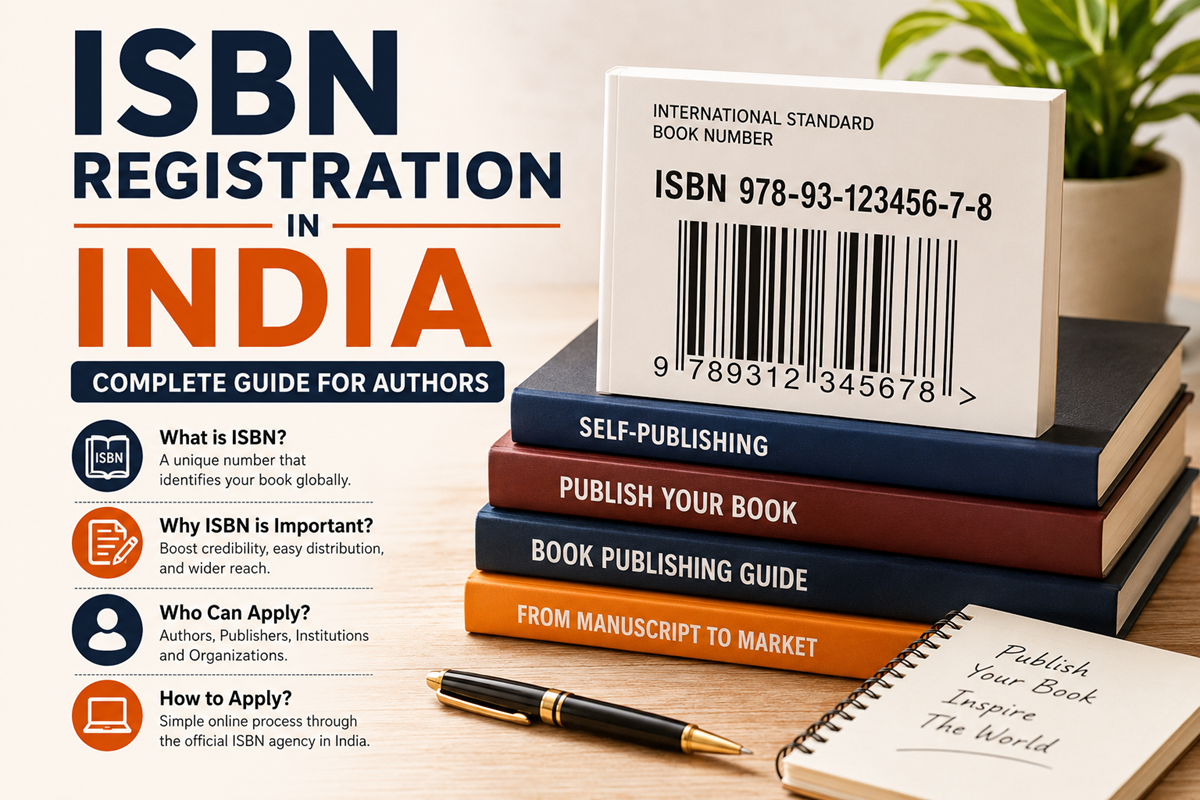
ISBN stands for International Standard Book Number. It is a unique identification number assigned to books and certain eligible publications. A modern ISBN generally contains 13 digits and helps identify a specific book title, edition, format, and publishing entity.
If the same book is published in different formats, such as paperback, hardcover, or eBook, each format may need separate identification. This helps publishers, booksellers, libraries, distributors, and online marketplaces manage books accurately and efficiently.
Why Is ISBN Important for Authors?
An ISBN gives a book a standardized identity in the global publishing ecosystem. It makes book cataloguing, distribution, inventory management, and identification easier. For authors planning to sell books through bookstores, distributors, libraries, or online platforms, having an ISBN can be particularly useful.
An ISBN also makes a book appear more professionally organized within publishing and retail systems. It helps ensure that the correct title, edition, and format can be distinguished from other versions of the same publication.
Who Can Apply for an ISBN in India?
ISBN registration in India may be available to different categories of eligible applicants. These can include individual authors, self-published authors, publishers, educational institutions, universities, research organizations, government institutions, and other publishing entities.
A first-time author who wants to self-publish a book can explore the applicable ISBN registration process based on the type of publication and current official requirements.
How to Apply for ISBN Registration in India
The ISBN application process generally involves submitting publication and applicant information through the authorized ISBN system in India. Before beginning the process, authors should prepare accurate book details, including the book title, author name, language, publication format, edition information, publisher details where applicable, and expected publication information.
The next step is to identify the correct applicant category. An individual author may have different requirements from a publishing company, university, institution, or other organization. Selecting the appropriate category is important because incorrect information can lead to confusion or delays.
After choosing the correct category, the applicant should complete the ISBN application carefully. The spelling of the author’s name, book title, publisher information, and other metadata should be checked before submission. Errors in book metadata can create problems later when the book is listed with distributors, libraries, retailers, or online marketplaces.
Depending on the applicant category and current rules, supporting documents may also be required. These requirements can change over time, so applicants should verify the latest instructions through the official ISBN authority before submitting an application.
Once the application is submitted, it may be reviewed by the relevant authority. Processing time can vary depending on the completeness of the application, verification requirements, applicant category, and current administrative workload.
After an ISBN is assigned, it should be used only for the correct publication, edition, and format. For printed books, the ISBN is commonly displayed on the copyright page and near the barcode area on the back cover.
Is ISBN Registration Free in India?
One of the most common questions authors ask is whether ISBN registration in India is free. India has historically provided ISBN allocation through the designated government ISBN agency without charging an ISBN assignment fee.
However, authors and publishers should always verify the latest policy, eligibility conditions, documentation requirements, and application process through the official government portal before applying.
It is also important to understand that private publishing companies may charge service fees for assistance with documentation, book publishing, formatting, editing, printing, distribution, or ISBN-related support. Such service charges are different from the official ISBN allocation process itself.
How Long Does It Take to Get an ISBN in India?
There is no single processing timeline that applies to every ISBN application. The time required may depend on the accuracy of the application, completeness of supporting information, applicant category, verification requirements, and current application volume.
Authors can reduce the risk of unnecessary delays by ensuring that all information is complete, accurate, and consistent before submission.
Does Every Book Format Need a Different ISBN?
In many publishing situations, different formats or product forms of the same book require separate ISBNs. For example, a paperback edition, hardcover edition, and eBook edition may be treated as distinct publishing products.
This is an important consideration for authors who plan to publish their books in multiple formats. Before applying for an ISBN, authors should finalize their publishing strategy and decide which formats they intend to release.
Is ISBN Mandatory for Publishing a Book in India?
An ISBN is not universally mandatory for every form of book publication in India. However, it can be highly valuable for professional distribution, cataloguing, bookstore listings, library systems, and broader commercial publishing.
The exact requirement may also depend on the platform or distribution channel being used. An author publishing through a specific online platform should review that platform’s current identification requirements. Authors seeking wider distribution through bookstores, libraries, and multiple retail channels may find an ISBN particularly important.
ISBN vs Copyright: What Is the Difference?
Many first-time authors confuse ISBN registration with copyright protection, but they serve different purposes. An ISBN is primarily a publication identification system that helps identify and manage a particular book, edition, or format.
Copyright, on the other hand, relates to legal rights in an original creative work. Obtaining an ISBN does not replace copyright protection, and copyright registration does not serve as a substitute for an ISBN.
Authors should understand both concepts when planning professional book publication.
Common ISBN Registration Mistakes to Avoid
Many authors experience problems because of incorrect or inconsistent information during the ISBN application process. Common issues include entering the wrong book title, using inconsistent versions of the author’s name, selecting an inappropriate applicant category, submitting incomplete documentation, confusing ISBN with copyright registration, or using the same ISBN incorrectly across distinct editions or formats.
These problems can often be avoided through careful planning and accurate metadata management before publication.
Tips for First-Time Authors
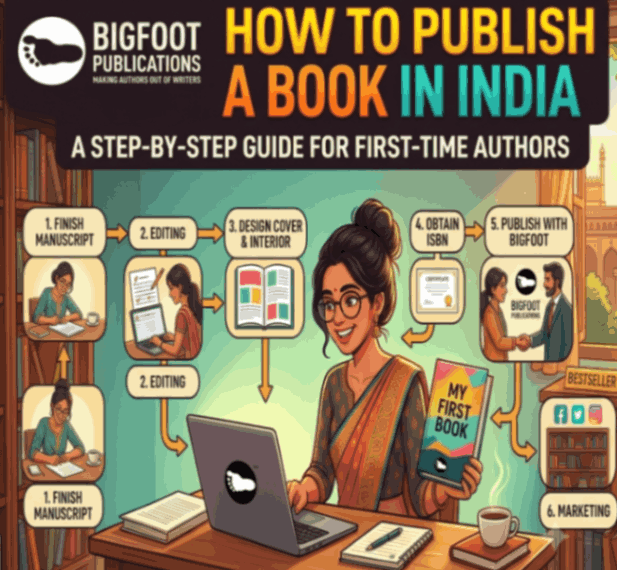
First-time authors should follow a structured publishing process. The manuscript should be finalized and professionally edited before publication. After editing, the author should decide whether to choose self-publishing, traditional publishing, or assisted publishing.
The next stages may include book cover design, interior formatting, typesetting, ISBN planning, printing, online distribution, pricing, and marketing. A clear publishing roadmap can help authors avoid expensive mistakes and unnecessary delays.
ISBN is only one component of successful book publishing. A professionally published book also requires quality editing, attractive design, accurate metadata, suitable distribution channels, and an effective marketing strategy.
Final Thoughts
Understanding ISBN registration in India is important for authors who want to publish and distribute their books professionally. An ISBN provides a standardized identity for a publication and supports efficient cataloguing, discovery, distribution, and inventory management.
Whether you are a self-published author or working with a professional publication house, you should plan your ISBN requirements carefully before releasing your book in multiple formats. Always verify the latest application procedure, documentation requirements, and eligibility conditions through the official ISBN authority in India.
With the right publishing strategy, accurate book metadata, professional presentation, and effective promotion, authors can improve their chances of reaching readers across India and international markets.